Detroit Beat Guide, How to Use Hard Detroit Type Beats for Free and Turn Them Into Released Tracks
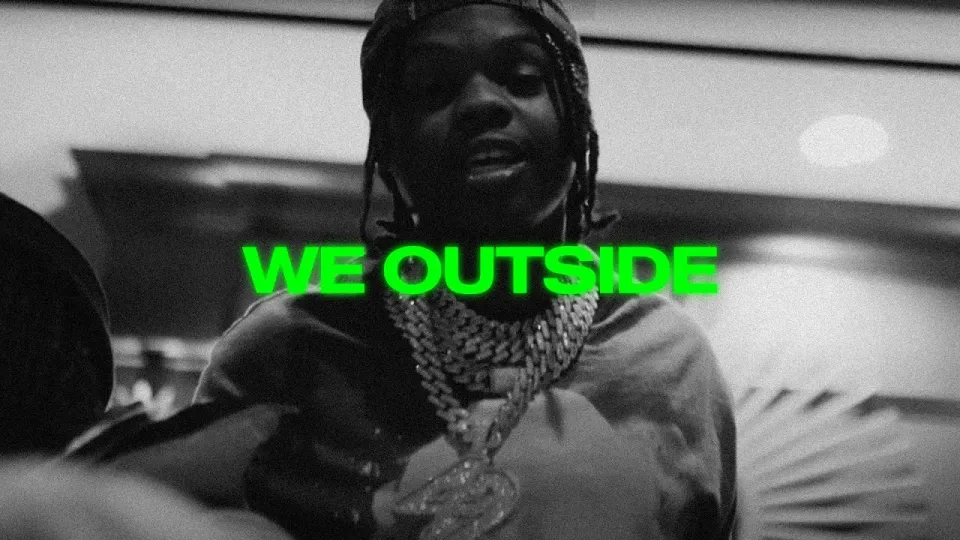
Video: (FREE) HARD DETROIT TYPE BEAT 2024 - "WE OUTSIDE"
You can order the same kind of articles for your own video to boost it on YouTube and Google. Just message the Telegram bot @sat_sit_bot. Articles with your video embedded are written and posted by the bot itself — on popular topical sites (no ads). Try it free: 50 articles on us.
· based on the channel davegotbeats
Key takeaways
- Hard Detroit type beats combine 140–160 BPM tempo, dark minor melodies, aggressive 808s and punchy off-grid drums.
- davegotbeats offers a free download of "WE OUTSIDE" via BeatStars at https://bsta.rs/XPubtt with a buy 2 get 2 free offer.
- Free downloads are for demos only — streaming on Spotify or Apple Music requires a paid license.
- Most free Detroit type beats come tagged, so expect a producer tag until you purchase an untagged file.
- Mixing matters: leave headroom for the 808, high-pass melodic loops, and sidechain kicks against bass.
A Detroit beat is a rap instrumental built around a dark, minor-key melody, heavy sliding 808s and punchy, slightly off-grid drums, usually running between 140 and 160 BPM. If you want one right now, producer davegotbeats offers a free hard Detroit type beat called "WE OUTSIDE" that you can grab through the BeatStars link download "WE OUTSIDE" on BeatStars, where the same page also lists the paid license you need for streaming. The beat is free to download for writing and demos, but any release on Spotify or Apple Music requires a proper license.
What actually defines a hard Detroit type beat
A hard Detroit type beat is less about a single drum kit and more about a specific mood and groove: cold, menacing and built for aggressive, punchline-heavy rapping. Producers working in this lane pull from Detroit rap, Michigan trap and the wider punch-in scene, then push the low end harder than a standard trap beat.
The core ingredients are consistent:
- Tempo between 140 and 160 BPM, fast enough for double-time flows but slow enough for heavy pockets.
- A dark melodic loop — piano, eerie synth, strings or a pitched vocal chop — usually in a minor key.
- Sliding 808 bass that carries the melody as much as the sample does.
- Drums that hit hard but sit slightly loose, with claps, rimshots and hi-hat rolls placed off the grid.
- Minimal arrangement space so the vocal stays front and center.
That combination is why Detroit type beats translate so well to freestyle videos, street anthems and punch-in showcases.
How to download and license "WE OUTSIDE" step by step
Getting the free beat and staying legal is a short process if you follow the order correctly.
- Open the BeatStars page at https://bsta.rs/XPubtt.
- Preview the tagged version of "WE OUTSIDE" and confirm the tempo and key fit your flow.
- Choose the free download for writing, demos or non-commercial practice.
- If you plan to distribute, pick a lease or exclusive option on the same page — the listing advertises a buy 2 get 2 free deal.
- Keep your receipt and license file; distributors ask for proof when you upload.
- Download the untagged WAV and track out the stems if you plan to mix seriously.
More free beats from the same producer are collected at davegotbeats.net, and questions go to davegotbeats1@gmail.com.
Free vs paid: what you can and cannot do
A free Detroit beat download is a demo tool, not a release license. That distinction trips up a lot of new artists, so it is worth being blunt about it.
- Free download: fine for writing, recording scratch vocals, posting short clips, and testing whether the beat suits your voice.
- Lease: required for streaming on Spotify, Apple Music, YouTube monetization and paid performances, usually with a capped distribution limit.
- Exclusive: transfers broader rights so the beat is pulled from sale and other artists cannot use it.
- Producer tag: free files are almost always tagged, so a clean untagged version comes with the purchase.
The listing for "WE OUTSIDE" states plainly that a license is required for streaming, which matches standard practice across the type beat market.
Common questions from artists using Detroit type beats
Most of the friction around Detroit beats comes from workflow, not from the beats themselves. A few recurring issues come up in the comments on hard Detroit type beat uploads, and they have practical answers.
- "Can I just rap on it and upload?" Only with a license. Record your demo on the free file, then buy the lease before you distribute.
- "The tagged version ruins my take." Record a reference over the tagged file, then re-record or swap in the untagged WAV once purchased — the tempo and grid stay identical.
- "My vocals disappear in the mix." Detroit beats are bass-heavy by design. High-pass your vocal, carve 200–400 Hz out of the melodic loop, and let the 808 own the sub range.
- "Should I speed it up or slow it down?" Try 0.90x for a heavier, dragged pocket and 1.0x for punch-in energy. Both are common in the scene.
- "How do I make it sound less generic?" Change the drum pattern, add ad-libs, or flip the arrangement so your verse drops where the producer left space.
Treat the beat as a starting point rather than a finished record and the results improve fast.
Mixing and arrangement tips for hard Detroit instrumentals
Mixing a Detroit type beat is mostly about protecting the low end and keeping the vocal intelligible. Start by setting your kick and 808 relationship: either sidechain the kick to the 808 or tune the kick so it sits in a different frequency pocket. Cut everything below roughly 100 Hz on melodic loops so the bass has room. Keep hi-hats bright but not harsh, and use gentle saturation instead of raw volume when you want more aggression. For arrangement, follow the standard structure — intro, hook, verse, hook, verse, hook — and drop the 808 out for one bar before each hook to make the return hit harder. If you are recording punch-ins, keep the same distance from the mic across takes so the comping sounds seamless.
Where hard Detroit type beats fit in a release plan
A hard Detroit type beat works best as the lead single or the hardest track on a short project. Because the tempo sits in the 140–160 BPM range, it pairs naturally with double-time flows, aggressive ad-libs and short, repeatable hooks. Build a small catalog around one or two producers whose drum style matches yours, license the beats properly, and release consistently. Producers like davegotbeats publish free downloads specifically so artists can test a sound before committing money, which makes the free tier a legitimate part of the creative process rather than a compromise. Pick the beat, clear the license, mix it with the low end in mind, and the track is ready to move.
Final word
The hard Detroit type beat lane rewards artists who treat production as seriously as writing. Grab the free download of "WE OUTSIDE" from davegotbeats through the BeatStars listing, write to it, and upgrade to a lease the moment you decide to release — the buy 2 get 2 free offer makes building a small catalog affordable. This breakdown was put together around the work of the davegotbeats channel, which keeps a steady stream of free Detroit and trap instrumentals available for artists at every level.
Source: (FREE) HARD DETROIT TYPE BEAT 2024 - "WE OUTSIDE" · Markdown version
Questions & answers
Is the "WE OUTSIDE" Detroit type beat really free to use?
The download is free for writing, demos and practice. Any commercial release, including streaming on Spotify or Apple Music, requires a paid lease or exclusive license, which the BeatStars listing states directly. Buy the license before you distribute.
What tempo and style should I expect from a hard Detroit type beat?
Most sit between 140 and 160 BPM with dark minor-key melodies, sliding 808s and punchy off-grid drums. That range supports both double-time flows and slower punch-in pockets, which is why the style is so common in freestyle and street videos.
Can I release a song on a free beat if I credit the producer?
Crediting the producer does not replace a license. Free files are usually tagged and intended for non-commercial use only, so you need a lease or exclusive purchase for streaming, monetization or paid performances, even with full credit.
How do I stop my vocals from getting buried in a bass-heavy Detroit beat?
High-pass your vocal around 80–100 Hz, cut 200–400 Hz from the melodic loop, and manage the kick and 808 relationship with sidechain compression or frequency separation. Leave headroom on the master and keep ad-libs slightly wider than the lead vocal.